Reclaim Land That Has Grown Over
Brush Removal in Saint Cloud and surrounding areas for properties overtaken by thick overgrowth and invasive vegetation
Properties in central Florida develop dense undergrowth rapidly due to year-round growing conditions and frequent rainfall that sustain invasive species and native brush alike. Collins Clearing LLC removes thick brush, overgrowth, and invasive vegetation across Saint Cloud and the surrounding Central Florida communities, addressing situations where land has become inaccessible or unusable. The work transforms parcels that once supported unwanted pest habitats and fire hazards into cleared, functional space ready for intended use.
Brush removal addresses the layers of woody vegetation, vines, and dense underbrush that prevent property access and obscure boundaries. Specialized equipment clears vegetation efficiently while handling root systems that would otherwise regrow, and the process removes material that creates wildlife corridors for snakes, rodents, and other pests seeking shelter in thick cover.
Schedule a property evaluation to identify which areas require clearing and what equipment will work most effectively for your terrain.
What Proper Brush Removal Requires
The clearing process removes both visible brush and the root structures that sustain regrowth, particularly for invasive species like Brazilian pepper and wild grape that spread aggressively in Florida's climate. Equipment selection depends on vegetation density, lot size, and whether you plan to fence, build, landscape, or simply restore access to neglected sections of your property.
After removal, you notice defined property lines, improved sight lines across the parcel, and elimination of the matted understory where pests previously nested. The cleared ground becomes accessible for walking, mowing, and project staging, and fire hazard risk drops significantly once dry brush and deadfall are removed.
Properties prepared for construction, fencing installation, or landscaping projects require complete vegetation removal down to grade level. Agricultural land benefits from selective clearing that opens access routes while preserving desirable tree cover, and residential lots often need perimeter clearing to establish defensible space and improve curb appeal.
What Property Owners Usually Ask
Landowners in Saint Cloud and the surrounding Central Florida communities preparing parcels for new projects or reclaiming neglected acreage often ask similar questions about the clearing process and what happens once brush is removed.
What happens to the brush after removal?
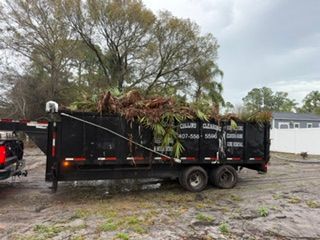
Removed material is either mulched on-site if you prefer organic ground cover, or hauled away depending on project requirements and what you plan to do with the cleared area afterward.
How does brush removal reduce fire hazards?
Thick, dry undergrowth and dead vegetation act as fuel during wildfire events, and removing this material creates defensible space that slows fire spread and protects structures near wooded areas.
When is the best time to schedule brush clearing?
Late fall through early spring offers drier ground conditions in Saint Cloud, which improves equipment access and reduces soil compaction, though clearing can occur year-round when timing aligns with construction or project schedules.
What invasive species require complete removal?
Brazilian pepper, air potato vine, and wild taro spread aggressively in central Florida and require removal of both aboveground vegetation and root systems to prevent rapid regrowth within a single growing season.
How does clearing improve property accessibility?
Removing dense brush opens sight lines, creates pathways for equipment and foot traffic, and exposes property features like drainage swales, fences, and boundary markers that were previously obscured by overgrowth.
Collins Clearing LLC addresses ongoing maintenance needs and prepares properties for fencing, construction, or landscaping projects once initial clearing is complete. Discuss specific project goals and site conditions to determine the most efficient clearing approach for your Saint Cloud or Central Florida property.