Trees Managed for Safety and Access
Tree Services in Saint Cloud and surrounding areas for properties impacted by hazardous trees, storm damage, or overgrowth blocking structures
Hazardous trees leaning toward structures, overgrown canopies blocking sunlight, and storm-damaged limbs hanging over roofs create immediate safety risks and long-term maintenance challenges. Tree removal and trimming restore property safety by eliminating unstable trees, clearing obstructed access areas, and improving visibility across yards and driveways. Collins Clearing LLC provides tree services in Saint Cloud and the surrounding Central Florida communities as part of land clearing projects or as standalone work where trees interfere with fences, buildings, or utility lines without requiring full site clearing.
Tree removal involves cutting trees at the base, sectioning trunks and limbs for safe lowering, and grinding stumps below ground level to prevent regrowth. Trimming removes branches that overhang structures, block views, or create fire hazards by contacting power lines. Florida's frequent storms cause trees with shallow root systems or weakened trunks to fall or drop large limbs, so identifying unstable trees before severe weather reduces the likelihood of property damage.
Schedule a property evaluation to identify trees requiring removal or trimming before they cause structural damage or access issues.
What Changes After Tree Management Completes
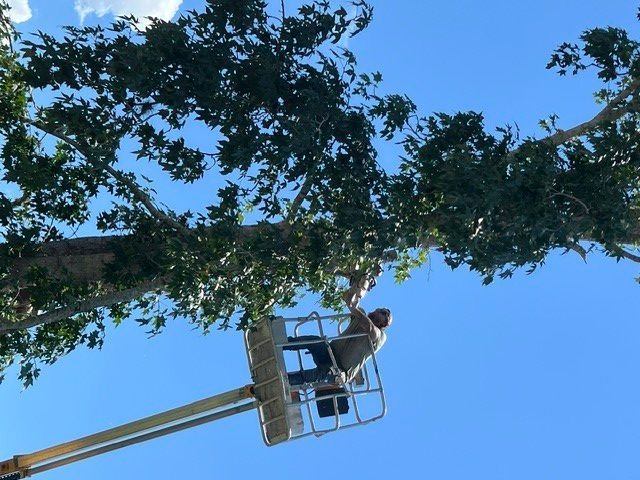
Tree removal uses chainsaws for cutting, rigging systems for controlled lowering of limbs in tight spaces, and stump grinders to eliminate remaining roots. Trimming focuses on branches that pose immediate hazards or restrict property use, with cuts made at proper angles to prevent disease entry and promote healthy regrowth where trees are preserved. Cleanup includes hauling all wood, limbs, and debris offsite rather than leaving material piled for property owners to manage.
Once trees are removed or trimmed, properties gain improved sunlight exposure, clear access lanes for vehicles and equipment, and eliminated risks from falling limbs or unstable trunks. Structures previously shaded by dense canopy receive direct light, which reduces moisture buildup and mold growth on roofs and siding. Fences, sheds, and driveways no longer sit beneath overhanging branches that drop debris or cause damage during wind events, and visibility across the property improves for security and aesthetic purposes.
Tree services often support larger land clearing projects where selective removal preserves desirable trees while eliminating invasive species or those interfering with construction. Properties preparing for fencing benefit from tree removal along fence lines to prevent root interference with post placement and reduce future maintenance caused by branches contacting fencing materials. Trimming maintains tree health and appearance while addressing safety concerns, making it suitable for properties where full removal is unnecessary but overgrowth requires management.
Common Questions About This Service
Tree work varies depending on tree size, location, and property conditions, so understanding the process helps property owners make informed decisions.
What determines whether a tree should be removed or trimmed?
Trees leaning significantly, showing signs of disease or rot, or positioned where roots threaten foundations typically require removal, while healthy trees with overgrown branches benefit from trimming to maintain structure and reduce hazards.
How are trees removed when they sit close to structures or fences?
Rigging systems lower limbs and trunk sections in controlled increments to avoid impact damage, with cutting sequences planned to direct falling material away from buildings, fences, and utility lines.
When is stump grinding necessary after tree removal?
Grinding eliminates stumps below ground level to prevent regrowth, remove tripping hazards, and clear space for construction, fencing, or landscaping, which is especially important in Saint Cloud where rapid vegetation growth causes stumps to resprout quickly.
How does storm damage affect tree stability and removal timing?
Trees damaged during storms may have cracked trunks, exposed roots, or hanging limbs that create immediate hazards, so removal should happen promptly to prevent further property damage or injury from delayed collapse.
What happens to the wood and debris after tree removal?
All material is hauled offsite and disposed of properly, with larger logs sometimes available for firewood or milling if requested, though most debris is processed offsite to avoid leaving piles that attract pests or require additional cleanup.
Collins Clearing LLC removes hazardous trees and trims overgrowth to improve property safety and accessibility. Request a property evaluation to review trees requiring attention and determine the most effective approach for your site.
Tree Services in Central Florida
When trees become overgrown, damaged, unstable, or difficult to manage, professional tree services can help protect your property and keep your landscape under control. Collins Clearing provides dependable tree care for residential and commercial properties throughout Central Florida, including hazardous tree removal, storm-damaged tree cleanup, and professional tree trimming and pruning.
Hazardous Tree Removal
A tree that is leaning, structurally compromised, dead, or growing too close to a home or other structure can create a serious safety concern. Our hazardous tree removal services are designed to address trees that pose a potential risk to buildings, vehicles, power lines, driveways, and people. We carefully assess the situation and determine the best approach for removing problematic trees while minimizing the potential for additional property damage.
Hazardous removal may be necessary after severe weather, when a tree has developed significant decay, or when roots, branches, or the trunk have become unstable. Whether you have a single tree creating a concern or multiple trees that need to be cleared from a property, Collins Clearing can help.
Storm-Damaged Tree Cleanup
Central Florida weather can take a toll on trees. High winds, heavy rain, and hurricanes can leave trees split, uprooted, or covered with broken and dangerous branches. Storm-damaged trees should be addressed promptly, particularly when they are blocking access, resting against structures, or creating a potential safety hazard.
Collins Clearing provides storm-damaged tree cleanup to help restore properties after severe weather. We can remove fallen or damaged trees and branches and help clear your property so you can begin getting your home or commercial site back to normal.
For more extensive storm and property debris removal, visit our Storm and Property Clean-Up page to learn more about our cleanup services.
Tree Trimming and Pruning
Regular trimming and pruning can help keep trees manageable while improving the appearance and overall condition of your property. Overgrown branches can interfere with roofs, driveways, structures, walkways, and other areas of your landscape. Strategic pruning can also help address branches that are dead, damaged, or growing where they shouldn't.
Our tree trimming and pruning services can be used for routine property maintenance as well as situations where overgrown trees have become a more immediate concern. Properly maintaining trees is especially important on properties with mature growth or limited space between trees and structures.
Tree Care for Central Florida Properties
Florida properties face unique tree-care challenges. Palms and other tropical vegetation can become overgrown, while hurricanes and strong seasonal storms can leave behind broken limbs, damaged trees, and extensive debris. Large or overgrown lots can also require significant clearing and tree maintenance to make the property safer and easier to manage. Collins Clearing understands the conditions Central Florida property owners face and provides tree services suited to these common situations.
Professional Tree Services Throughout Central Florida
Whether you need a hazardous tree removed, storm-damaged trees and branches cleaned up, or overgrown trees professionally trimmed and pruned, Collins Clearing is ready to help. We serve property owners throughout Saint Cloud, Melbourne, Palm Bay, Kissimmee, Cocoa, Sebastian, and surrounding Central Florida communities.